
. . . . .Imhotep’s plans would incorporate many new ideas. The building material of the time was mud brick, but this would not suit a pharaoh as mighty as Djoser-Netcherikhe. Imhotep had a radical idea, he would use stone, a material never used before in large scale building projects. Originally the plan called for a mastaba tomb, a design the Egyptians had used for centuries. Imhotep had a better idea, he began stacking mastaba on top of mastaba until he realized the design of the Step Pyramid. It was a shape the ancient Egyptians recognized as the legendary mound of creation that had risen out of the primordial ocean of chaos. It was also the shape of things to come. For almost 1000 years the pharaohs built pyramids as their eternal resting places. Abandoning them when they realized that under these giant monuments of extravagant wealth, they could no longer protect their afterlives from plunder.
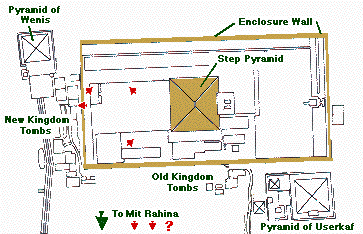
Use the map by clicking on the red arrows.

A Colossus at Mit Rahina
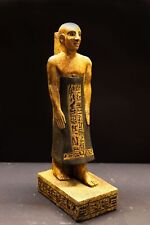
Beautiful Egyptian Imhotep - Ancient chancellor to the Pharaoh Djoser
$189.00
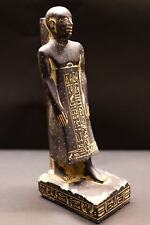
Egyptian Imhotep - Ancient chancellor to the Pharaoh Djoser - pharaonic Imhotep
$188.30
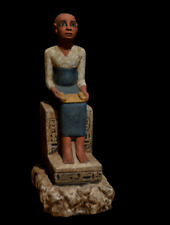
Statue Imhotep Builder of pyramid of Djoser in Ancient Egyptian Antiquities BC
$121.50
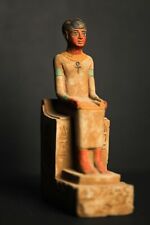
Egyptian Imhotep - Ancient chancellor to the Pharaoh Djoser
$124.16
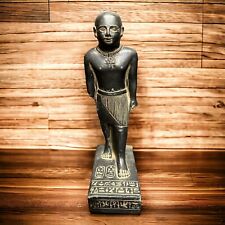
Ancient Egyptian Antiquity Statue King Imhotep Pharaonic Rare Unique Egyptian BC
$145.00
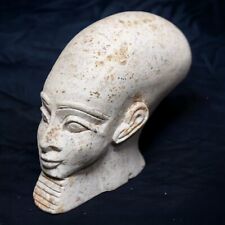
Egyptian Head King Imhotep Statue Antiquity Ancient Pharaonic Rare Egyptian BC
$135.00
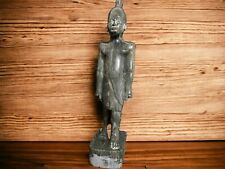
Egyptian King Imhotep Rare Ancient Antiquity Pharaonic Statue Unique Egyptian BC
$279.00
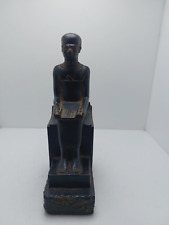
Ancient Egyptian Antiquities Imhotep Builder Pyramid Of Djoser in Egyptian BC
$129.00
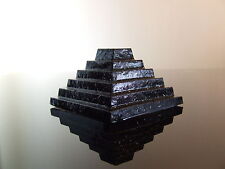
4 x Orgone Step Pyramid of Djoser pyramid HHG Quartz Crystal Remove Radiation OM
$56.73
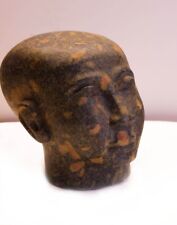
Beautiful Egyptian Imhotep's Head - Ancient chancellor to the Pharaoh Djoser
$1091.65