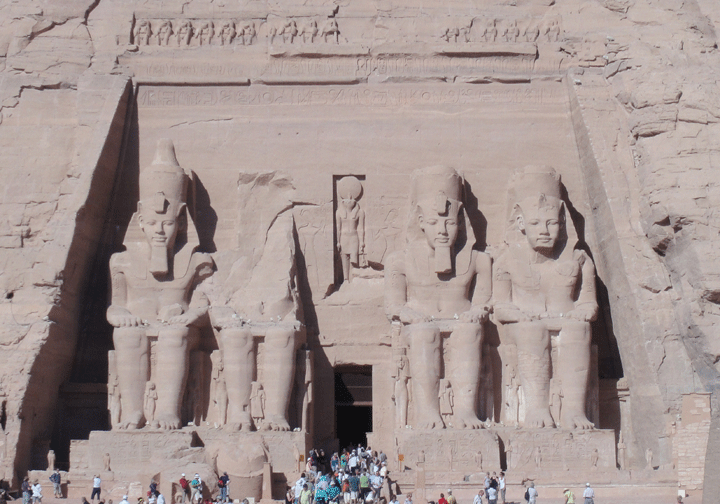
 . . . . .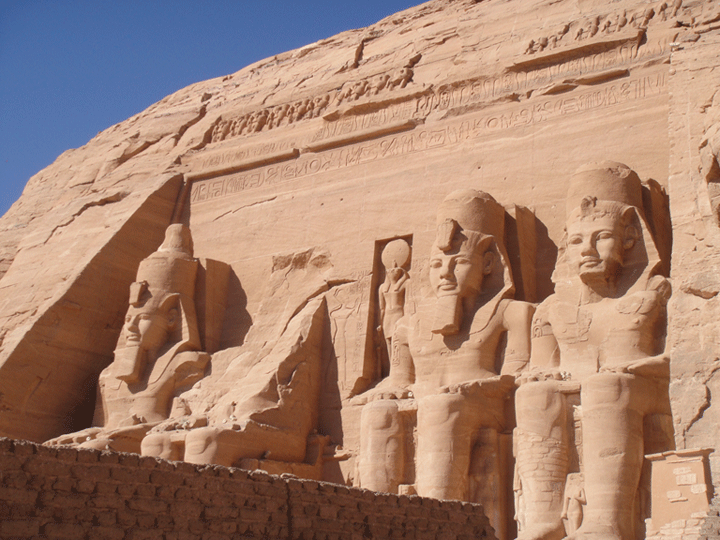
Almost as amazing a feat as the original construction of this remarkable temple, was the dismantlingand moving of the monument some 215 feet to higher ground where it was than reconstructed. It was moved to save it from the rising waters of Lake Nasser. The lake was formed when the Aswan High Dam was built in the early 1960’s. The moving of this temple and the smaller temple of Nefertari took four years. It was carried out with financial and technical assistance from around the world. The final price tag was 40 million US dollars.
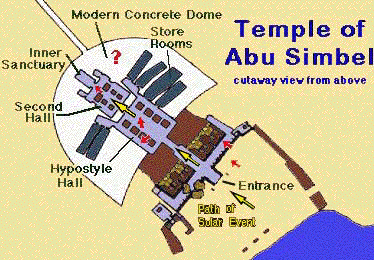
Use the map by clicking on the red arrows.

The next photograph is
![Ozeri Nouveaux II Electric Wine Opener [COLORS] - picture](/store/img/g/K3IAAOSw~2hjbFVM/s-l225/Ozeri-Nouveaux-II-Electric-Wine-Opener-COLORS-FREE.jpg)
Ozeri Nouveaux II Electric Wine Opener [COLORS] -
$21.68
(41) 1992 Spiderman II 30th Anniversary Comic Images Cards Factory Sealed Packs
$49.99
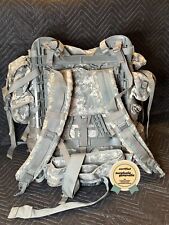
MOLLE II Large Rucksack Sets Complete Field Pack Set w/ Straps, Frame, Pouches
$48.50
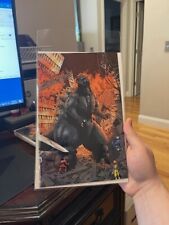
Godzilla VS Mighty Morphin Power Rangers II #1 VIRGIN STASHHHLOOT EXCLUSIVE
$30.00

TMNT: The Last Ronin II--Re-Evolution #1 Variant E (DíA De Los Muertos)
$8.99

Funko Pop Vinyl: Audrey II (Bloody) (Chase)
$59.33

ITHistory (1992) Manual: XEROX 4030 II LASER PRINTER Q
$8.50
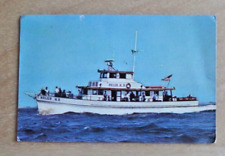
Helen H II Deep Sea Fishing Sheepshead Bay Brooklyn Card w/photo
$6.00

Venom Lethal Protector II #1 - Marvel 2023 - Tile Mosaic version - CGC 9.8
$145.10
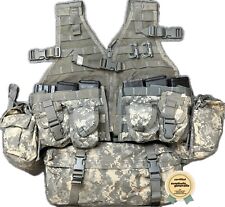
MOLLE II Tactical Load Carrying Vest/Chest Rig Bundle 18 Total Pieces ACU
$30.00